Garage Door Repair for Loud Doors in Los Angeles
A noisy garage door is far beyond an irritation. A unexpected grinding sound, squeaking garage door, or repeated rattling noise may indicate damaged hardware, poor lubrication, a bent garage door track, or a malfunctioning spring system. Because a garage door is heavy and operates under significant tension, prompt diagnosis can prevent a minor repair from becoming a safety hazard or a larger replacement project.
Qualified garage door repair in Los Angeles should start with a thorough safety inspection. A technician can determine the source of the sound, check the balance of the door, inspect the opener, and provide a detailed repair estimate before work begins. Whether you need urgent garage door repair in Downtown LA, Hollywood, Pasadena, West Los Angeles, or the San Fernando Valley, connecting the sound to the correct component is the first step toward a durable solution.
What Makes My Garage Door So Noisy?
An overhead garage door moves through several connected systems. Garage door rollers move inside garage door tracks, garage door hinges enable the sections to bend as they move, and springs and cables counterbalance the door’s weight. If any part is grimy, slack, degraded, warped, or improperly adjusted, the entire system may become louder.
Garage door rollers are a frequent source of noise. Steel rollers can become rusty or develop worn bearings, while inexpensive rollers may become rough after years of use. Nylon rollers are generally less noisy, but they can also crack or wear. Garage door hinges may squeak when they lack lubrication or rattle when their fasteners loosen. Garage door tracks can produce scraping or grinding sounds if they are unclean, misaligned, dented, or carrying a roller that is not moving smoothly.
Other causes include loose brackets, a damaged garage door panel, a worn bearing, or an opener that is struggling to lift the door. A door that sounds normal while opening but becomes loud while closing may have a different problem from one that makes noise throughout its entire cycle.
What grinding, squeaking, rattling, and popping sounds mean
A grinding noise usually indicates metal contact, damaged bearings, worn rollers, or a problem with the garage door tracks. If the grinding sound occurs at one specific point in the travel, a technician should examine that location for a bent track or damaged roller. Continuing to operate the door may worsen the damage.
A squeaking noise often comes from dry garage door hinges, rollers, or springs. A small amount of appropriate lubricant may quiet the sound temporarily, but repeated squeaking can indicate worn parts rather than simple dryness. Never use a household cleaner or unsuitable oil as a substitute for garage door lubricant.
A rattling noise commonly indicates loose hardware, including bolts, nuts, brackets, or opener mounting components. A vibrating garage door panel can also create a rattle, particularly if a panel has been warped or a brace has loosened. A popping sound may occur when a spring, cable, or roller moves under load. Because those parts can store substantial energy, popping should not be ignored.
Aged rollers may produce a rhythmic clicking, rumbling, or grinding sound that becomes faster as the door moves. Listening to whether the noise comes from the top, sides, or center of the door can help with a noisy garage door diagnosis, but homeowners should avoid placing hands near moving components.
Typical Sources of a Banging Garage Door
The garage door spring system is essential to safe operation. A garage door spring carries much of the door’s weight so the opener does not have to handle it alone. A torsion spring is mounted above the door and rotates on a shaft as the door moves. An extension spring is installed along the horizontal tracks and stretches as the door opens. Both systems can become noisy as they age, but they require distinct repair procedures.
The garage door opener can also be to blame for a loud door. Older chain-drive openers often produce more vibration than belt-drive models. A loose chain, worn gear, failing motor, damaged trolley, or weak mounting bracket may create a shaking or grinding sound. Opener repair should include inspection of the safety sensors, reversing function, drive system, and attachment points.
Other common causes include dry bearings, loose hinges, worn garage door rollers, a bent garage door track, damaged weather seals, and a door that is out of balance. If the door feels unusually heavy when disconnected from the opener, the spring system may no longer be correctly adjusted.
When worn springs or cables require prompt attention
Garage door cables work with the spring system to raise and lower the door. Frayed garage door cables, a cable that has come off its drum, or a cable that appears slack can cause the door to shift or fall unevenly. A broken spring may leave the door extremely heavy, stuck on the floor, or unable to open more than a few inches.
Do not continue operating a door that has a broken spring, visibly damaged cable, severe track damage, or an uneven opening motion. Spring tension can cause parts to move suddenly, and attempting to loosen or adjust that tension can result in serious injury. Garage door safety depends on keeping people, vehicles, and pets away from a malfunctioning door until a professional garage door technician has assessed it.
Urgent service is appropriate when the door is trapped open, cannot close securely, has fallen off its tracks, or is making loud popping sounds. A technician can protect the door, assess the spring tension, inspect the cables and drums, and complete spring replacement using the proper components.
Garage Door Repair Services for Loud Doors
Garage door repair for a rattling door should address the origin rather than simply masking the sound. A technician may perform roller replacement service, adjust or install new hinges, realign the tracks, repair an opener, install a new bearing, or support a damaged garage door panel. The right service depends on the door’s age, condition, construction, and operating history.
If only one panel is cracked or bent and the remaining sections are in good condition, replacing the garage door panel may be more practical than replacing the entire door. However, matching color, insulation, design, and manufacturer specifications can affect the result. A damaged panel may also have caused track or roller stress that should be examined at the same time.
Repairing garage door rollers, hinges, tracks, springs, and openers
Roller replacement can substantially decrease a noisy garage door when the existing rollers have worn bearings, flat spots, cracks, or rust. A technician may recommend sealed nylon rollers for quieter operation or another type suited to the door’s weight and track configuration. Replacing only visibly damaged rollers is not always the ideal solution if all rollers are the same age.
Garage door hinges can be adjusted or changed when they are loose, bent, or cracked. Track alignment involves checking the vertical and horizontal sections, spacing, fasteners, and curve. A track should not be hammered into place without understanding why it moved. Improper alignment can cause the door to bind or create extra wear on the rollers.
Garage door opener repair may include replacing a drive gear, trolley, chain, belt, motor component, bearing, or mounting bracket. Bearing replacement can help when a shaft or roller produces a harsh grinding noise. Proper lubrication and door lubrication may minimize friction, but lubricant will not fix a cracked roller, broken spring, bent track, or stripped opener gear.
A technician may also replace the https://rentry.co/xkn7g84r weather seal at the bottom or sides of the door. A deteriorated weather seal can flutter, rub, and vibrate while allowing dust, moisture, and insects into the garage. The seal should be properly sized so it does not create excessive resistance.
Garage door repair Expense and Costs in Los Angeles
Garage door repair cost in Los Angeles is influenced by the malfunctioning component, the door’s design, accessibility, urgency, and whether replacement parts are required. Garage door repair pricing should be based on a clear diagnosis and a separation of labor and parts, not on the sound alone.
A small adjustment, hardware tightening, or lubrication service is generally less expensive than roller replacement, spring service, track repair, or opener work. A garage door spring cost may vary based on whether the system uses one or multiple springs, the door’s weight, the spring cycle rating, and the labor needed to balance and test the door.
What determines the price of a noisy garage door repair?
Labor cost is influenced by the complexity of the repair, the time required, and access to the damaged components. Replacement parts may include rollers, hinges, bearings, cables, springs, tracks, brackets, weather seals, or opener components. Premium parts can cost more initially but may offer quieter operation and longer service life.
Emergency service and after-hours appointments may raise the total price. A diagnostic fee may also apply, particularly if a technician must inspect several systems or troubleshoot an intermittent sound. Ask whether the diagnostic fee is credited toward approved repairs and whether the estimate includes removal of old parts.
Reliable garage door repair pricing should identify the recommended repair, the parts being installed, labor, taxes or additional fees, and any warranty. Be cautious of an estimate that recommends full replacement without explaining whether a spring, roller, track, or opener repair could resolve the problem.
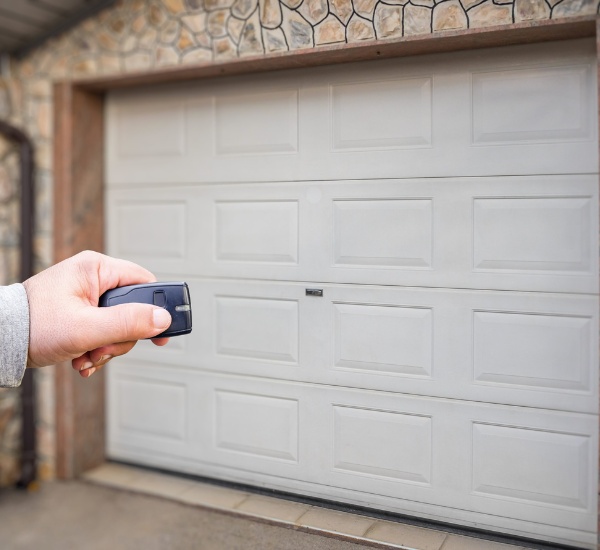
Repair versus replacement: comparing common project costs
Repair is often the sensible choice when the door is structurally sound and the problem is limited to rollers, hinges, a spring, cables, a track, or the opener. Replacement may be more appropriate when multiple panels are damaged, the frame is distorted, insulation has failed, or repeated repairs no longer provide dependable operation.
Garage door replacement cost varies according to the material, insulation quality, style, dimensions, hardware components, installation labor, and removal and disposal. The 2 car garage door replacement cost and two car garage door replacement cost are usually higher than a single-car door because the door is broader and may require stronger springs, rollers, and opener equipment. A technician should verify measurements and structural requirements before quoting a replacement.
EM Garage Doors And Gate Service Inc19629 Cantara St, Reseda, CA 91335
(818) 919-0785
https://emgaragedoorsandgateservice.com/
https://maps.app.goo.gl/XujLWxA4pAQKARQT8
34.2193569, -118.5613022
Garage door opener installation cost varies with the opener type, horsepower, rail length, ceiling height, electrical access, and safety features. If the existing opener is noisy but the door itself is in good condition, opener replacement may be a more practical choice than replacing the entire garage door. A professional can compare the garage door replacement cost with specific repairs and explain the anticipated lifespan of each option.
Do-It-Yourself Steps to Quiet a Garage Door in a Safe Manner
Homeowners can perform limited maintenance without disassembling the spring system. Start with a visual inspection while the door is closed. Inspect for frayed cables, cracked rollers, loose hinges, bent tracks, missing bolts, damaged panels, and signs of rubbing. Ensure children and pets out of the area during inspection.
Apply a silicone garage door lubricant on proper roller bearings, hinges, springs, and pivot points according to the product directions. Do not spray the track surface because rollers need to move through the track rather than slide on an oily film. Remove excess lubricant and wipe off dust or debris from the tracks with a dry cloth.
Tightening bolts can help correct a minor rattling noise, but only tighten accessible hardware without changing the position of brackets, tracks, drums, or spring components. Review the owner’s manual for maintenance instructions specific to the door and opener. You can also test the opener’s reversing function and photo-eye sensors from a safe position.
Fixes homeowners should not attempt themselves
Torsion spring replacement and extension spring work should be left to a professional technician. High-tension components can release stored energy without warning. The same warning applies to cable adjustment, drum work, track removal, lifting a heavy door off its tracks, and attempts to straighten spring hardware.
Avoid using improvised tools to unwind a spring or disconnect a cable. The injury risk includes crushed fingers, severe lacerations, falls, and damage to the door or surrounding property. If the door is stuck, crooked, unusually heavy, or affected by a broken garage door spring, schedule professional service rather than attempting a temporary repair.
How to Choose Garage Door Repair Near Me in Los Angeles
Searching for garage door repair near me in Los Angeles should connect you with a company that clearly defines its service area, qualifications, pricing practices, and warranty terms. Look for a licensed contractor or a properly qualified local provider with experience working on the specific door and opener brand.
Obtain a written estimate before authorizing work. The estimate should outline the diagnosis, recommended repair, replacement parts, labor, expected completion time, and warranty. A reputable company should discuss repair and replacement options instead of pushing you into the most expensive solution.
Questions to ask before hiring a garage door company
- Do you offer immediate service for urgent problems?
- Do you serve my part of Los Angeles, including Downtown LA, Hollywood, Pasadena, the San Fernando Valley, or West Los Angeles?
- Is the diagnostic fee deducted from the final invoice?
- What parts warranty and labor warranty are included?
- Will you inspect the springs, cables, tracks, opener, and safety devices?
- Can you provide customer reviews or references for comparable repairs?
Same-day service can be useful when a door will not close or a vehicle is trapped inside, but speed should not replace careful diagnosis. Confirm the company’s service area, arrival window, insurance, warranty, and total pricing before work starts. Customer reviews may help identify consistent workmanship, communication, and follow-through.
Area Garage Door Problems Throughout Los Angeles
Los Angeles conditions can affect garage door hardware differently by location. Coastal air near Santa Monica, Venice, Long Beach, and other nearby communities can accelerate corrosion on metal rollers, springs, cables, hinges, fasteners, and tracks. Salt-laden moisture may cause a squeaking or grinding problem worse, especially when protective coatings have worn away.
Inland areas such as the San Fernando Valley commonly experience heat, dust, and seasonal debris. These conditions can increase the need for track cleaning, roller inspection, and proper lubrication. Dust caught in moving hardware may cause a rattling noise or add friction to the system. Regular garage door maintenance can assist in spotting wear before it becomes an emergency.
Local service coverage may extend to Downtown LA, Hollywood, Pasadena, West Los Angeles, the San Fernando Valley, and surrounding communities. After significant shaking, inspect for loose mounting hardware, opener brackets, tracks, and other visibly shifted components. This basic check is not a substitute for expert structural evaluation. Earthquake preparedness should include having a qualified technician evaluate the door and its mounting system if the door operates unevenly or appears damaged.
Popular Questions About Noisy Garage Doors
How much does garage door repair cost in Los Angeles?
The garage door repair cost is determined by the diagnosis, labor cost, replacement parts, urgency, and door type. Minor lubrication or hardware adjustments generally cost less than roller replacement, spring replacement, track repair, or opener work. Ask for written garage door repair pricing that distinguishes between labor and parts and identifies any diagnostic or emergency service fee.
Why is my overhead garage door making a grinding or squeaking noise?
An overhead garage door may make a grinding sound because of worn garage door rollers, damaged bearings, a bent track, or metal contact. A squeaking garage door often has dry hinges, rollers, or spring components. Loose hardware can produce a rattling noise. Stop using the door if the sound is accompanied by a broken garage door spring, frayed cable, crooked movement, or sudden popping.
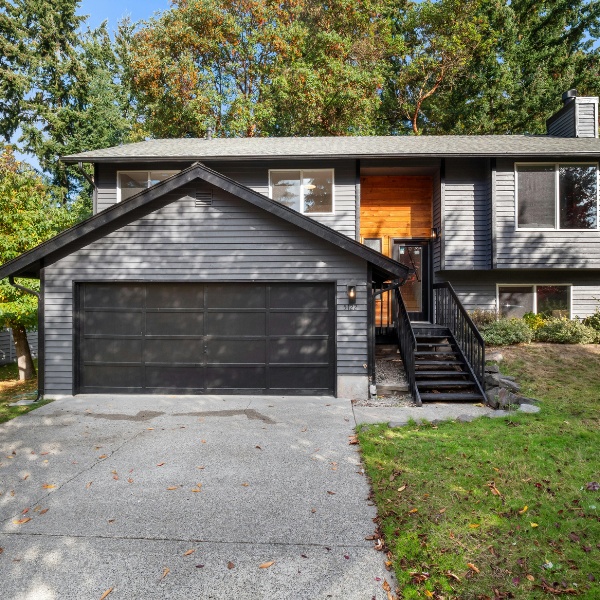
Should I change noisy garage door rollers or the whole garage door?
Replace the rollers when the door panels and frame are structurally sound and the noise comes from worn bearings, cracks, rust, or flat spots. Full replacement may be appropriate when several panels are damaged, the door is severely corroded, insulation has failed, or repair costs are approaching the garage door replacement cost. A professional inspection can compare roller replacement with a complete upgrade.
How do I find garage door spring replacement near me in Los Angeles?
To find garage door spring replacement near me, choose a local licensed contractor that provides a written estimate, verifies the correct spring size, and includes a parts and labor warranty. Ask whether the company serves your neighborhood and whether it will inspect garage door cables, drums, bearings, and balance during the service. Do not attempt spring replacement without proper training and equipment.
Can I safely lubricate or repair a noisy garage door myself?
You can safely perform a visual inspection, clean debris, use suitable silicone garage door lubricant, and tighten accessible bolts without disturbing spring or cable components. Do not attempt torsion spring replacement, extension spring adjustment, cable repair, track removal, or work on high-tension components. If the noise continues, schedule a professional garage door technician for diagnosis, opener repair, or other necessary service.